
Legalization of Marijuana Without Regulation is Bad for Public Health
Last month, a NYT editorial noted, “Over the past several decades, supporters of marijuana legalization often called for a strategy of ‘legalize and regulate.’ ” It is a smart approach. Unfortunately, the country has pursued the first part of it while largely ignoring the second.” It goes on to note that there are more health risks than originally thought by the editors and that more people are now using marijuana than pre-legalization. Sadly, much of the growth is amongst people under the age of 21.
The U.S. has come a long way over the last 50 years on tobacco use and exposure, and even made headway during the rise of e-cigarettes, but marijuana presents a unique challenge. For some, it has physical and mental health benefits; however, marijuana is gaining popularity as a recreational drug amongst adults and youth who never used it before legalization, and who are likely unaware that it is an addictive substance. In fact, marijuana use has surged over the past decade, rising an estimated 65.2% between 2015 and 2024.
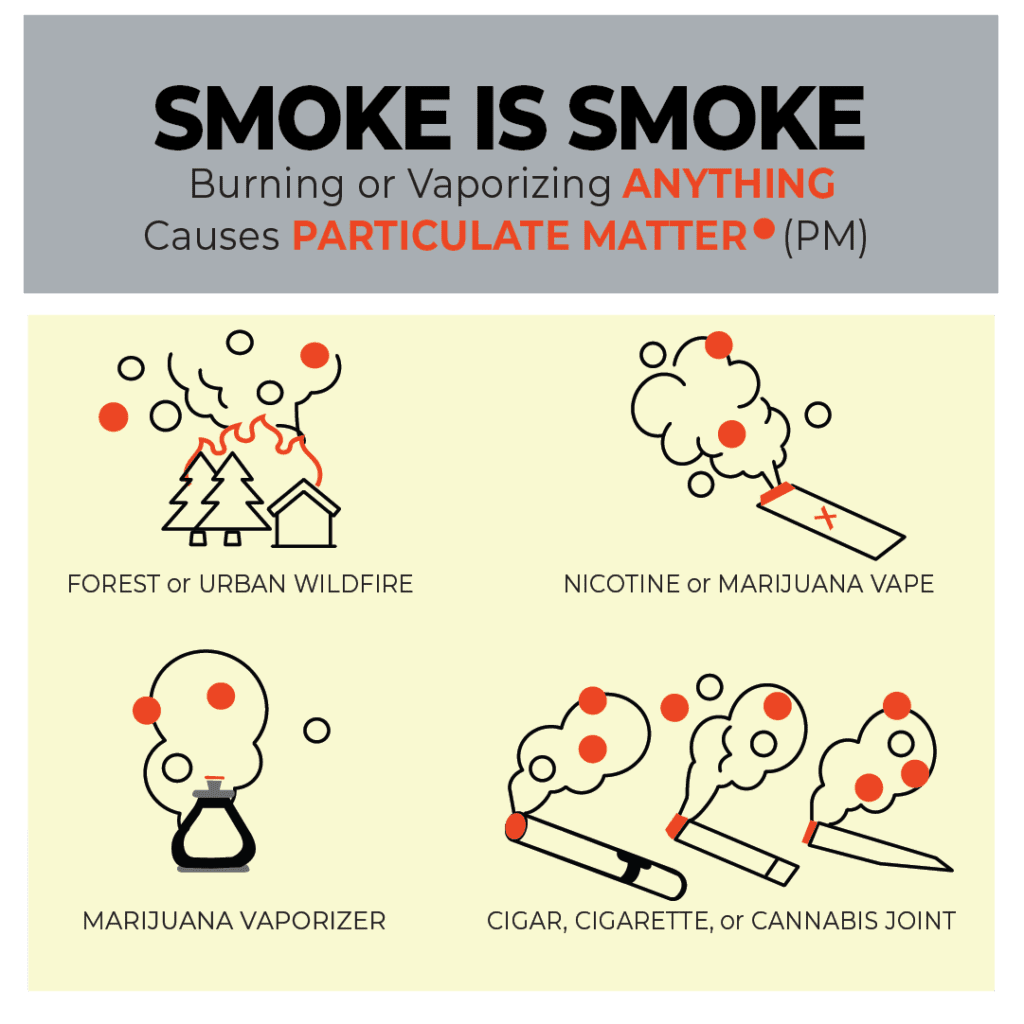
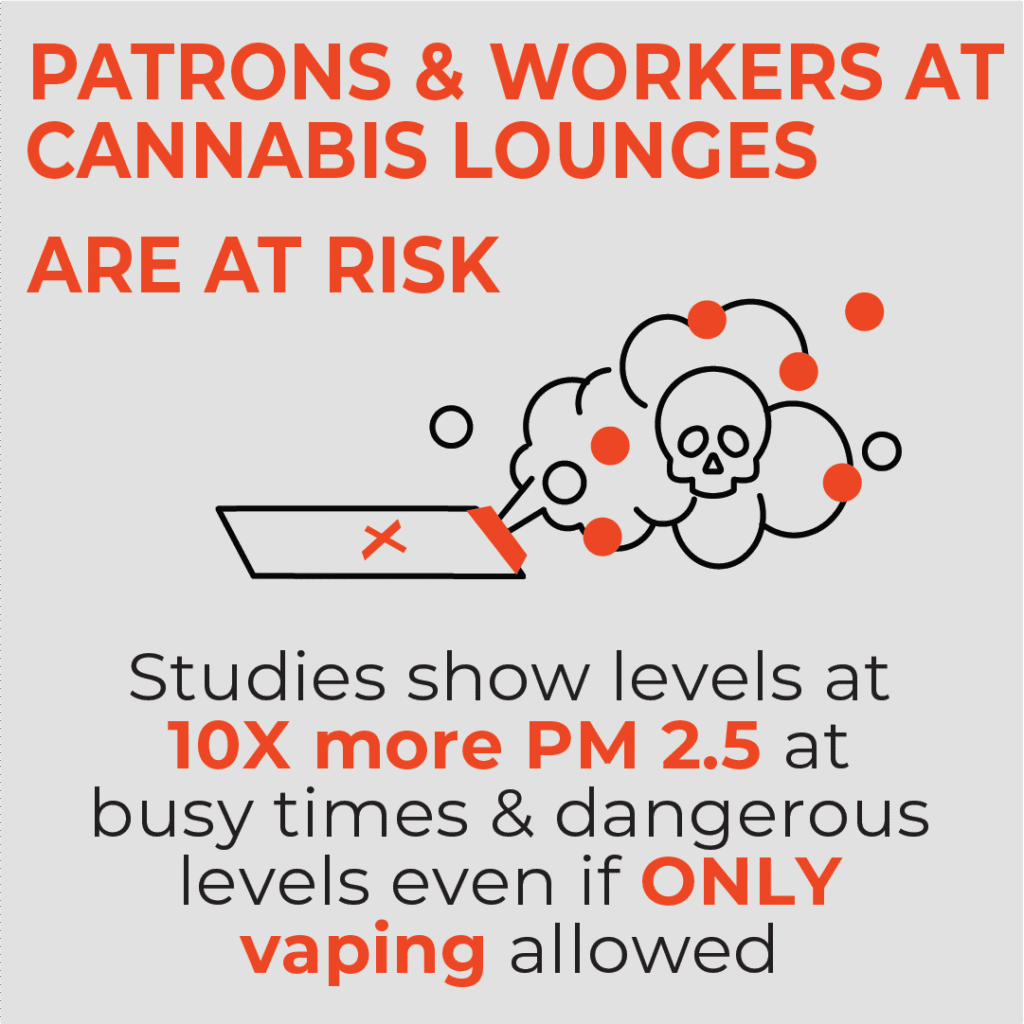
Marijuana proponents generally argue that the product should be legalized to decriminalize use and possession, but too often, the first regulations pushed are not to expunge records and release those with minor possession crimes, but to establish a mass commercial market with plenty of retail licenses. Marijuana proponents also vehemently state that legalization would not encroach on current smokefree rules, yet their position changes almost immediately upon legalization, and proposals to permit indoor onsite use smoking and vaping are introduced. These exemptions weaken life-saving smokefree indoor air laws in order to allow people to smoke or vape cannabis indoors (See our policy brief, Rolling Back Smokefree Protections: Expansion of Cannabis Smoking Lounges in California). Research on the air quality in cannabis lounges, retail stores, and other indoor areas demonstrates that secondhand marijuana smoke is as dangerous if not more so than indoor spaces with cigarette secondhand smoke.
While there can be benefits of marijuana use for some, it should be closely regulated to prevent misuse or overuse and to ensure there are no unintended consequences – from buzzed driving or exposing nonsmokers to toxins, carcinogens, and particulates in secondhand marijuana smoke. If an adult chooses to engage in smoking or vaping tobacco or marijuana despite the knowledge of the health consequences, then that is their right. However, adults must also be responsible and not use the products in ways that harm others, including the use of smoking and vaping products indoors and exposing others to unwanted and hazardous secondhand smoke. Legislators and advocates should focus on evaluating the public health impacts of legalized marijuana and effectively regulating the product before establishing mechanisms to bring the product to market.
Resources
Find all of ANRF’s marijuana and smokefree air resources at no-smoke.org/smokefree-threats/marijuana-smoke/.
You can also access many more resources on our ProAccess online learning platform, including a four-part Marijuana and Smokefree Air learning module along with select scientific recordings from our monthly Office Hours. Learn more at: ProAccess.
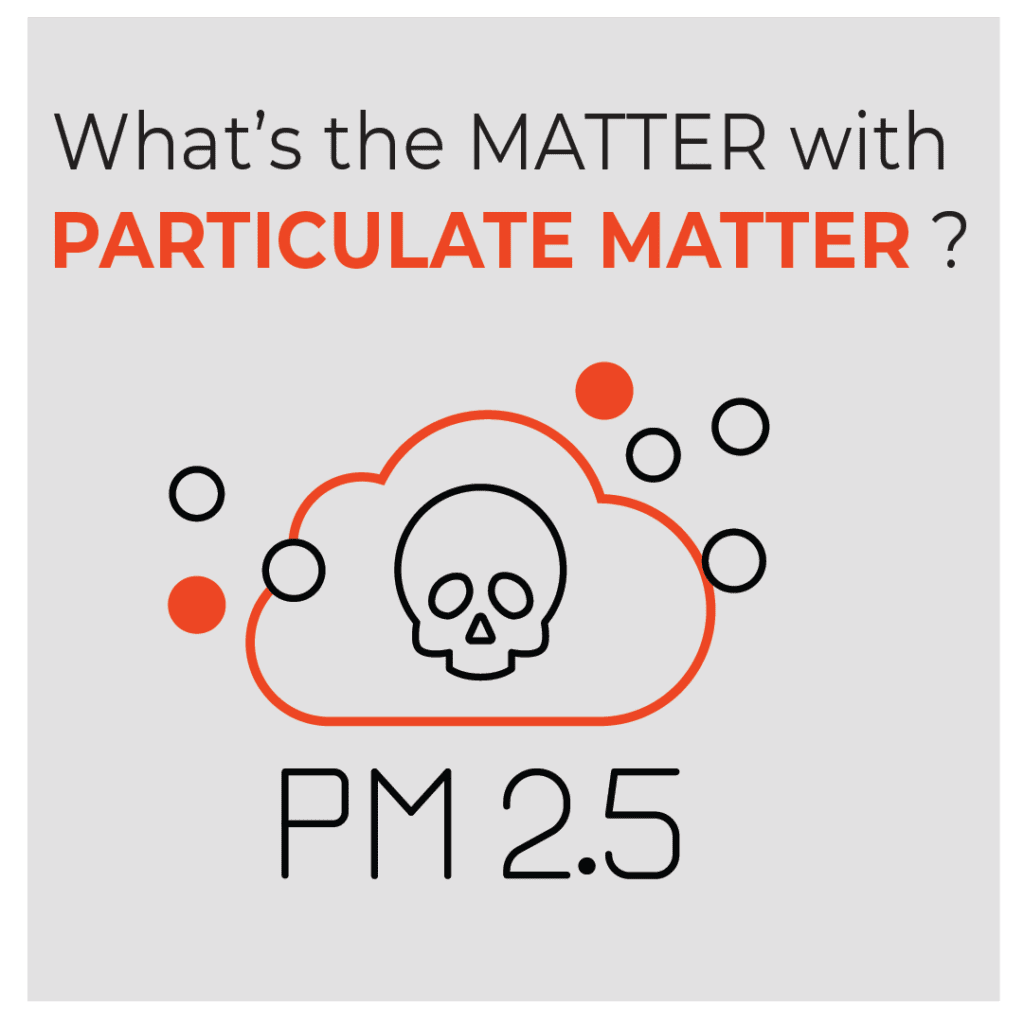
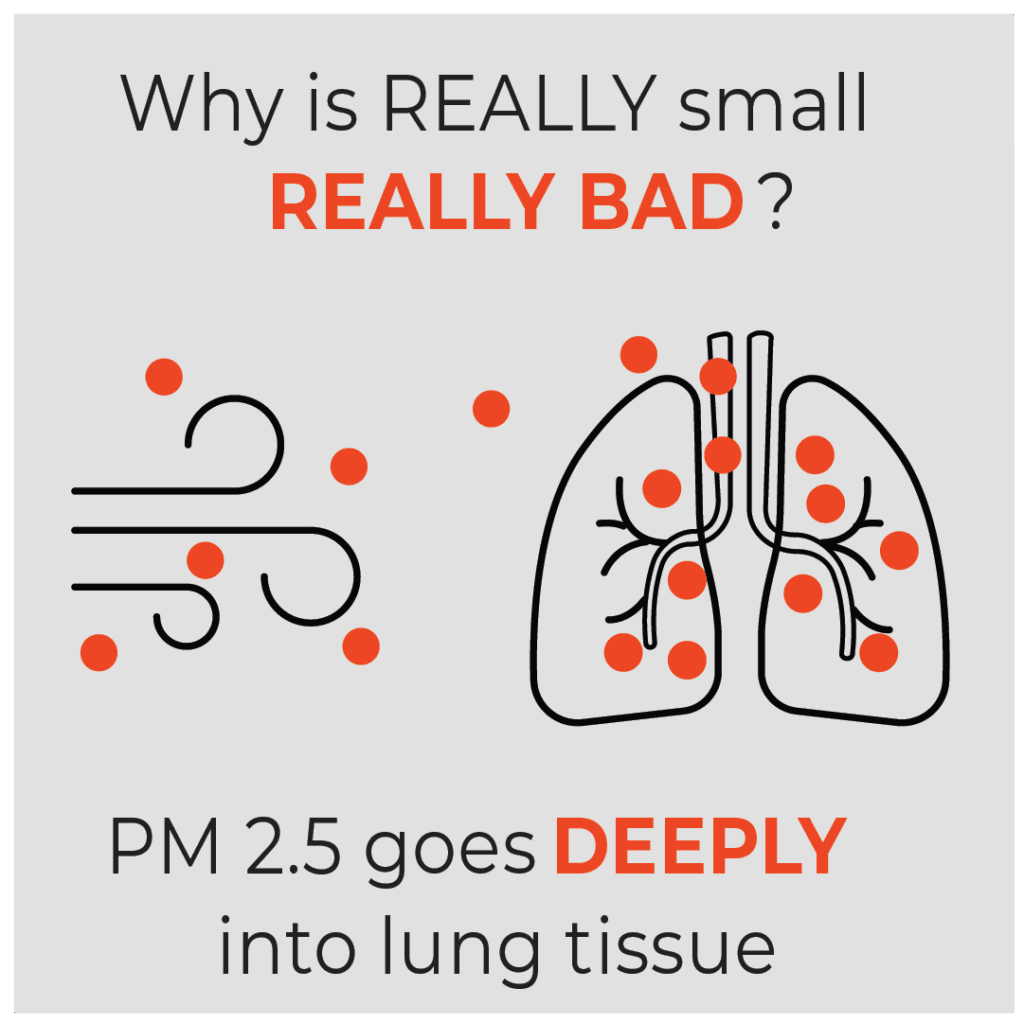
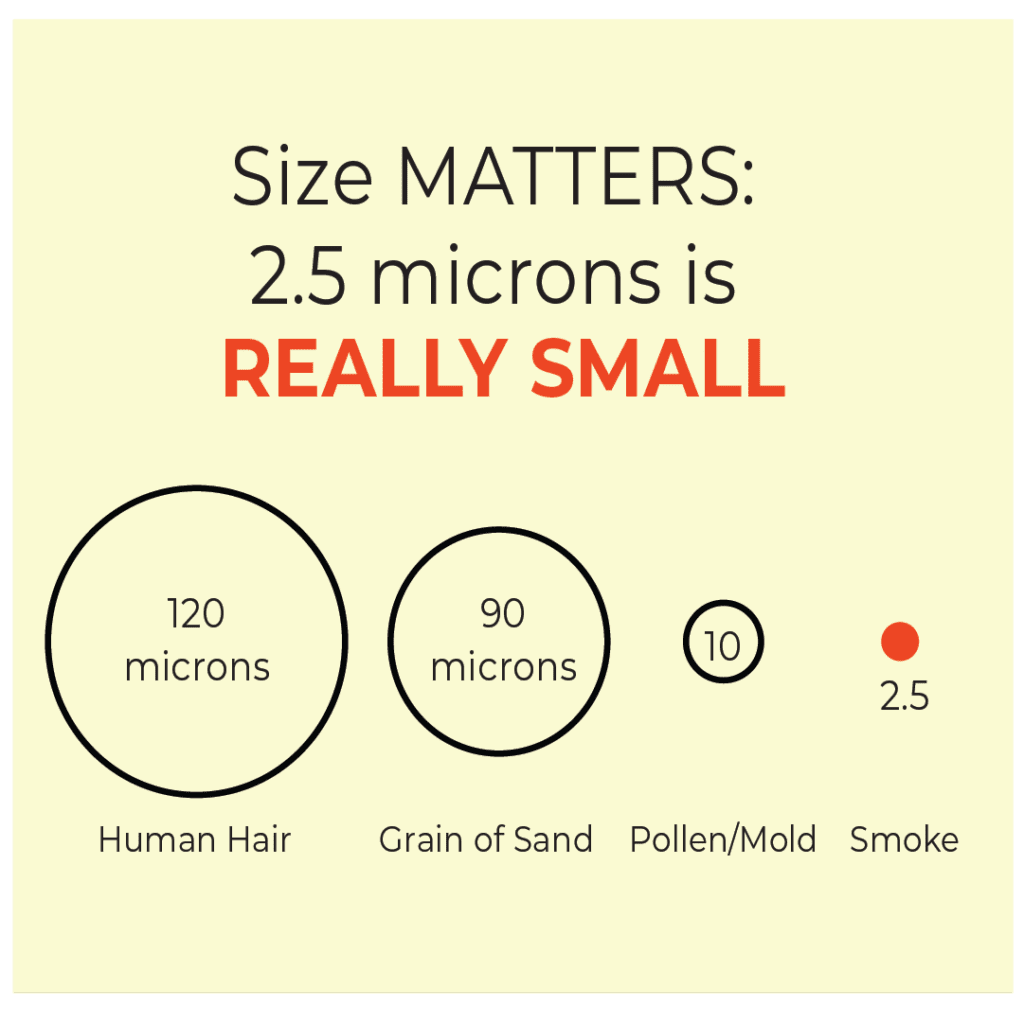
See our PM2.5 Explainer poster here.