

IN EFFORT TO ERASE DECADES OF PROGRESS

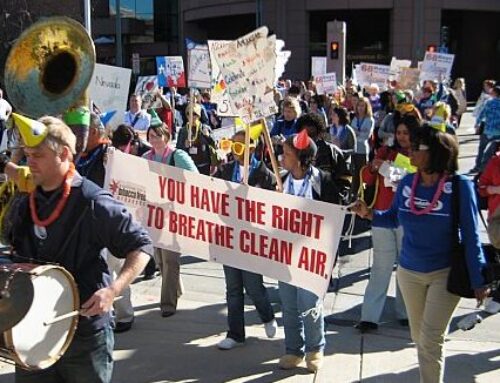
For decades, workers, doctors, and advocates have fought to help shift societal norms on smoking, keep secondhand smoke out of their workplaces, and expose the tobacco industry’s lies—and we’ve made real progress. Smoking rates are at record lows. Most Americans now expect clean air in restaurants, airplanes, and workplaces. The arguments Big Tobacco relies on have been debunked, exposed as tactics to delay progress and protect profits.
And thanks to prevention campaigns, stronger smokefree laws, and support programs that helped millions quit smoking, lung cancer and COPD rates have fallen. This progress didn’t happen by chance. It came because communities, doctors, scientists, and policymakers stood up to one of the most powerful industries in history, forcing accountability and exposing decades of deception.
But this progress has never been permanent. While millions of Americans take their right to breathe clean air for granted, the programs and safeguards that brought us this far are being dismantled. Big Tobacco has been waiting for this moment. As soon as watchdogs let down their guard, the industry rushed in.
The Trump administration has quietly gutted the federal effort to fight tobacco. The scale of the damage is staggering. More than 120 members of the Office on Smoking and Health (OSH) have been dismissed, effectively eliminating the team that supported lifesaving Quitlines, state programs, and the “Tips From Former Smokers” campaign. That campaign alone has helped millions of Americans quit smoking and saved an estimated $7.3 billion in healthcare costs.
Meanwhile, the FDA’s Center for Tobacco Products has seen steep cuts, crippling its ability to regulate an industry that continues to hook kids with flavored vapes and new products like Zyn, nicotine pouches, made by Philip Morris International (PMI). The 2024 Surgeon General’s Report on Smoking and Secondhand Smoke—a cornerstone of public health research—was taken offline. Research that tracked youth tobacco use has been halted, leaving us blind to the scope of the problem.
THESE ROLLBACKS PLAY DIRECTLY INTO THE HANDS OF BIG TOBACCO.
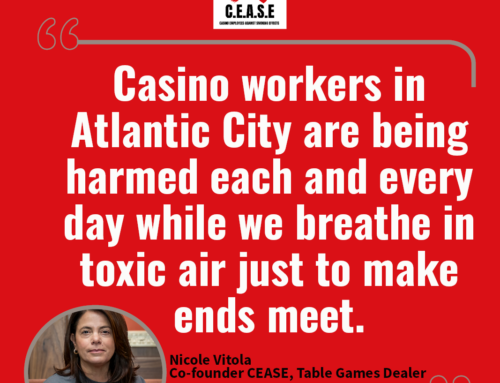
The cuts aren’t abstract. They mean more disease, more death, and more families left behind. Smoking still kills nearly half a million Americans every year, and secondhand smoke remains a leading cause of preventable illness. Workers in airports, bars, music venues, and casinos—including the dealers and servers I’ve spoken to—continue to breathe dangerous smoke on the job. In Atlantic City, I listened as one casino worker described being forced to inhale secondhand smoke while pregnant, unable to turn away from customers at the table, putting her unborn child at risk. Another worker told me how he dreads coming home from his shift smelling of smoke, knowing his grandchildren are breathing the toxins clinging to his clothes. These are not numbers in a spreadsheet; they are lives, families, and communities.
MEANWHILE, BIG TOBACCO BENEFITS.
With fewer regulators, less oversight, and no public education campaigns countering their marketing, companies are free to introduce new products and addict a new generation. Youth use of nicotine pouches and e-cigarettes is already surging. By dismantling tobacco prevention infrastructure, we are handing the industry exactly what it has always wanted: the chance to normalize nicotine addiction again.
The United States cannot afford to let decades of progress unravel. Smoking-related illnesses cost our nation $241 billion annually, with taxpayers footing 60 percent of the bill. These cuts will only drive those costs higher — while inflicting unnecessary suffering on millions of families. Cutting prevention programs is not saving money; it’s a false economy that transfers billions in future healthcare costs onto the taxpayer.
The real winners here are the tobacco companies. With watchdogs sidelined, they have free rein to push flavored vapes and nicotine pouches to kids, roll out new products with little oversight, and quietly claw back the ground they lost over decades of public health progress. This isn’t an accident. It’s the result of an industry that has always worked behind the curtain, pulling levers of power to protect its profits.
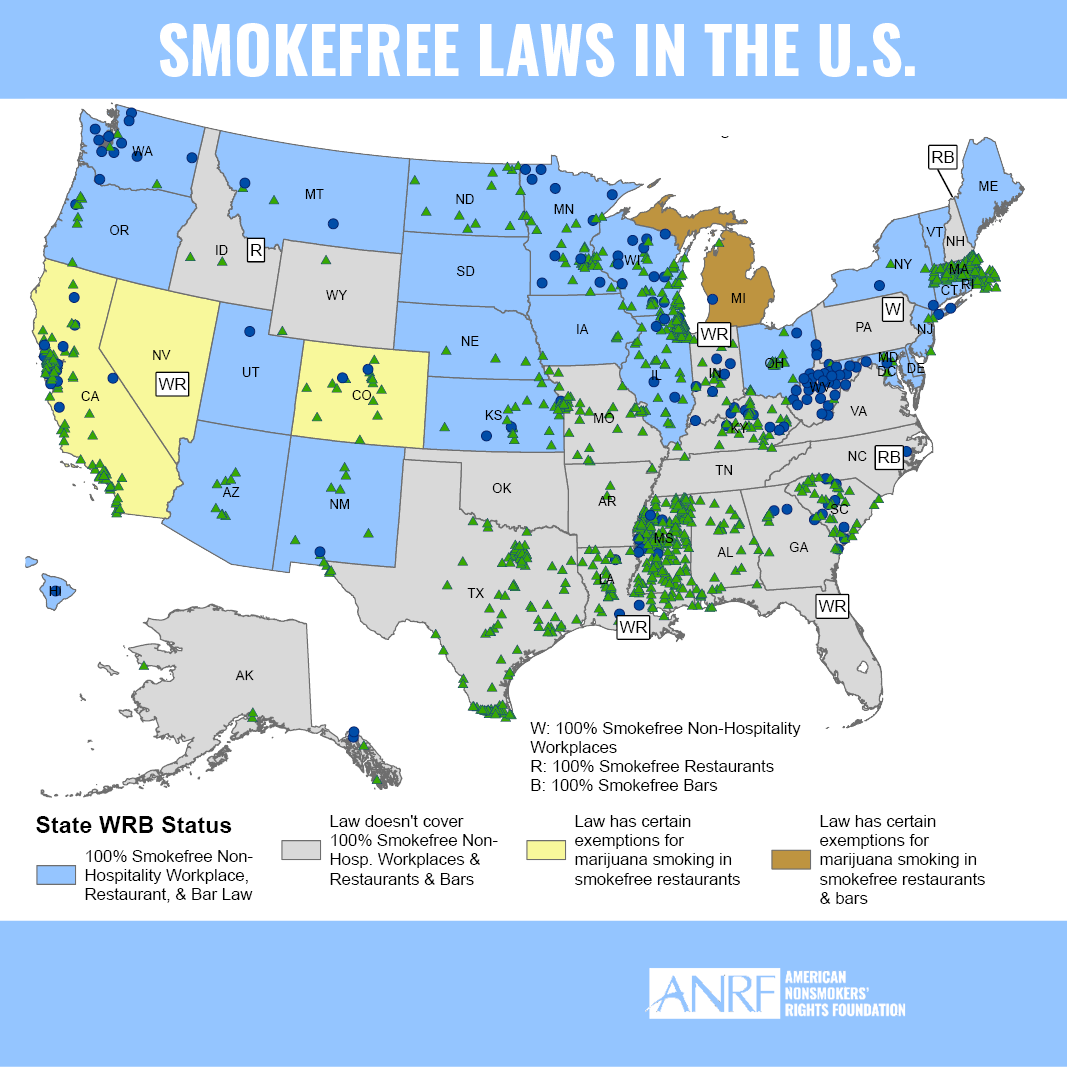
Congress didn’t cause this crisis, but it has the power to fix it. Lawmakers on both sides of the aisle should be asking hard questions about why the public is being left defenseless against one of the deadliest industries in history. Until then, states and localities can step up by strengthening commercial tobacco prevention policies, including closing gaps in smokefree protections that leave millions of workers exposed to secondhand smoke. Universities, nonprofits, and private funders must also keep Quitlines and prevention campaigns alive. Protecting these programs is not just about budgets or bureaucracy. It’s about whether nonsmoking workers have to worry about heart attacks on the job, or lung cancer from extended secondhand smoke exposure, whether kids are protected from nicotine addiction, and whether we allow Big Tobacco to rewrite the future.
The tobacco industry has always played the long game. So must we. Too many lives are at stake.
—Bronson Frick, Director of Advocacy, ANR