
Bronson Frick Quoted in Article
.
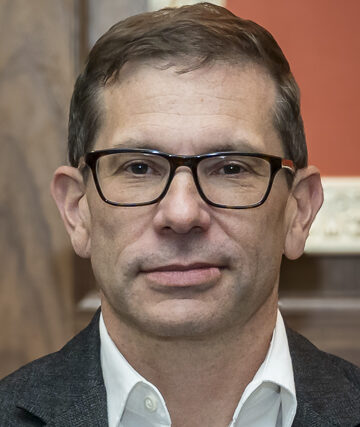
ANR Director of Advocacy, Bronson Frick, was recently quoted in Why Airports Can’t Quit Smoking Lounges about indoor smoking rooms in Airports and how they are part of the tobacco industry’s playbook to keep nicotine and smoking normalized in the public sphere.
Smoking rooms inside of airports are still allowed in more than 100 countries, including the United States, which only has three. The three airports are: Las Vegas’s Harry Reid International Airport (LAS), Gulfport-Biloxi International Airport (GPT), and Nashville International Airport (BNA). Currently the smokefree Detroit airport (DTW) is considering allowing indoor smoking again with a proposed cigar smoking lounge that is facing serious public pushback.
Frick was quoted:
Airports have become places “where the industry is fighting to maintain the social acceptability of smoking,” says Bronson Frick, director of advocacy at antismoking group Americans for Nonsmokers’ Rights. “Airport smoking is definitely what I would call tobacco industry infrastructure. Those areas are there to protect smoking, not to protect health.”
From the Bloomberg article:
“Airports and tobacco companies are reluctant to discuss the exact nature of these relationships. Zurich Airport says the maintenance of its smoking lounges is “coordinated” with a tobacco company, declining to provide further details. Munich Airport describes Japan Tobacco International, which operates the Camel and Winston brands outside the US, as a “contract partner.” Philip Morris International Inc. similarly declined to discuss its “commercial arrangements” with airports.
More ANR Foundation Resources: Just as the tobacco industry fought for years to keep smoking on airplanes, it has also fought relentlessly to keep smoking in airports via schemes such as the Philip Morris Airport Options program designed to undermine smokefree policies and maximizing smoking rates. Airport smoking rooms -present and past- were the direct result of tobacco industry front groups and lobbying.
Why smoking rooms are not safe: Airport smoking rooms do not stop secondhand smoke from wafting throughout a building and do not address the health hazards of secondhand smoke. This is affirmed by ASHRAE, the standard setting body for ventilation. Even brief low levels of exposure can trigger heart attack, stroke or asthma attacks in at-risk travelers. Long term exposure increases risk of cancer and other chronic disease for airport workers.
The ANR Foundation’s sister organization, Americans for Nonsmokers’ Rights (ANR) is a member-supported, non-profit advocacy group that has been working for 50 years to protect everyone’s right to breathe nontoxic air in workplaces and public places, from offices and airplanes to restaurants, bars, and casinos. ANR has continuously shined a light on the tobacco industry’s interference with sound and life-saving public health measures and successfully protected 61% of the population with local or statewide smokefree workplace, restaurant, and bar laws. ANR aims to close gaps in smokefree protections for workers in all workplaces, including airports, bars, music venues, casinos, and hotels. For more information, please visit https://nonsmokersrights.org or the ANRF website: no-smoke.org.